
If you are planning to upgrade your floors, you have likely come across WPC and SPC vinyl flooring. Both options are known for their durability, water resistance, and modern design, but choosing the right one depends on your lifestyle and space.
Homeowners exploring WPC flooring in South Pasadena or comparing different vinyl flooring types often want a balance between comfort and long-term performance.
Whether you are considering WPC vinyl flooring or looking into rigid-core alternatives, understanding the key differences will help you make a confident decision.
What Is WPC Flooring?
WPC stands for Wood Plastic Composite, a type of luxury vinyl flooring designed with a softer, more flexible core. It is built to provide comfort while maintaining durability for everyday use.
Key Features of WPC Flooring
- Comfortable underfoot: Softer than many hard flooring options
- Sound absorption: Helps reduce noise between rooms
- Water-resistant core: Suitable for most residential environments
- Stable and resilient: Adapts well to temperature changes
WPC flooring is often preferred in living rooms, bedrooms, and spaces where comfort matters most. Many homeowners looking for wood plastic composite flooring South Pasadena choose it for its warm feel and quieter performance.
What Is SPC Flooring?
SPC stands for Stone Plastic Composite, a rigid-core vinyl flooring engineered for strength and durability. It is designed to handle heavier use while maintaining its structure over time.
Key Features of SPC Flooring
- Highly durable and rigid: Resistant to dents and wear
- 100% waterproof: Suitable for moisture-prone areas
- Scratch-resistant surface: Ideal for busy households
- Low maintenance: Easy to clean and maintain
SPC flooring is commonly used in kitchens, bathrooms, and high-traffic areas where durability is a top priority.
WPC vs SPC Vinyl Flooring: Key Differences
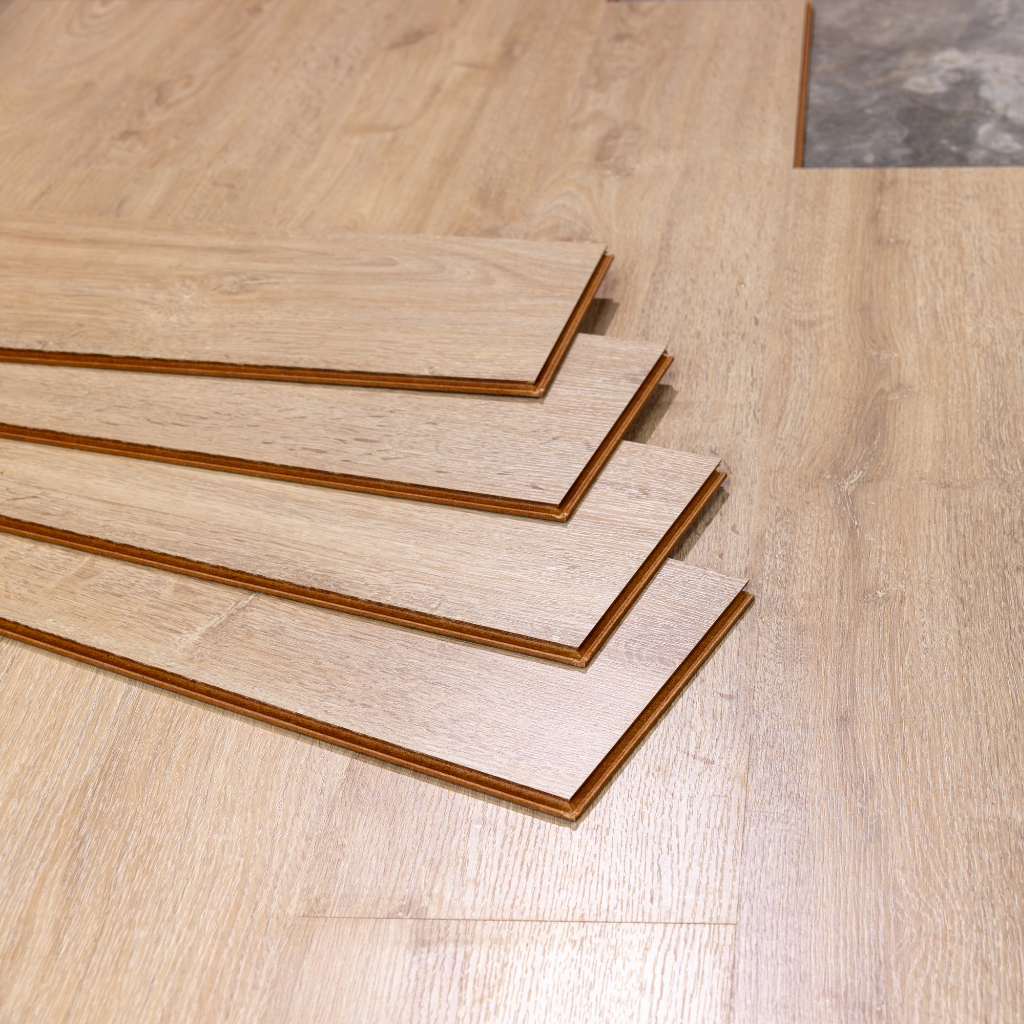
Understanding the difference between WPC and SPC flooring helps homeowners choose based on comfort, durability, and usage.
Core Differences at a Glance
- Material Composition
WPC: Wood-plastic composite core - SPC: Stone-plastic composite core
Comfort Level
- WPC: Softer and more cushioned
- SPC: Firm and dense
Durability
- WPC: Suitable for moderate traffic
- SPC: Better for heavy traffic and impact resistance
Sound Insulation
- WPC: Better sound absorption
- SPC: Moderate noise control
Best Use Areas
- WPC: Bedrooms, living areas
- SPC: Kitchens, bathrooms, entryways
Which Flooring Is Best for Your Home
Choosing between WPC and SPC vinyl flooring depends on how you use your space and what matters most to you.
Choose WPC Flooring If:
- You prefer a softer, more comfortable surface
- You are upgrading bedrooms or living areas
- Noise reduction is important in your home
- You want a more natural, warm feel underfoot
Choose SPC Flooring If:
- You need maximum durability for daily wear
- You have pets, kids, or heavy foot traffic
- You are installing flooring in kitchens or bathrooms
- You want a more rigid and impact-resistant surface
Benefits of Professional Flooring Installation
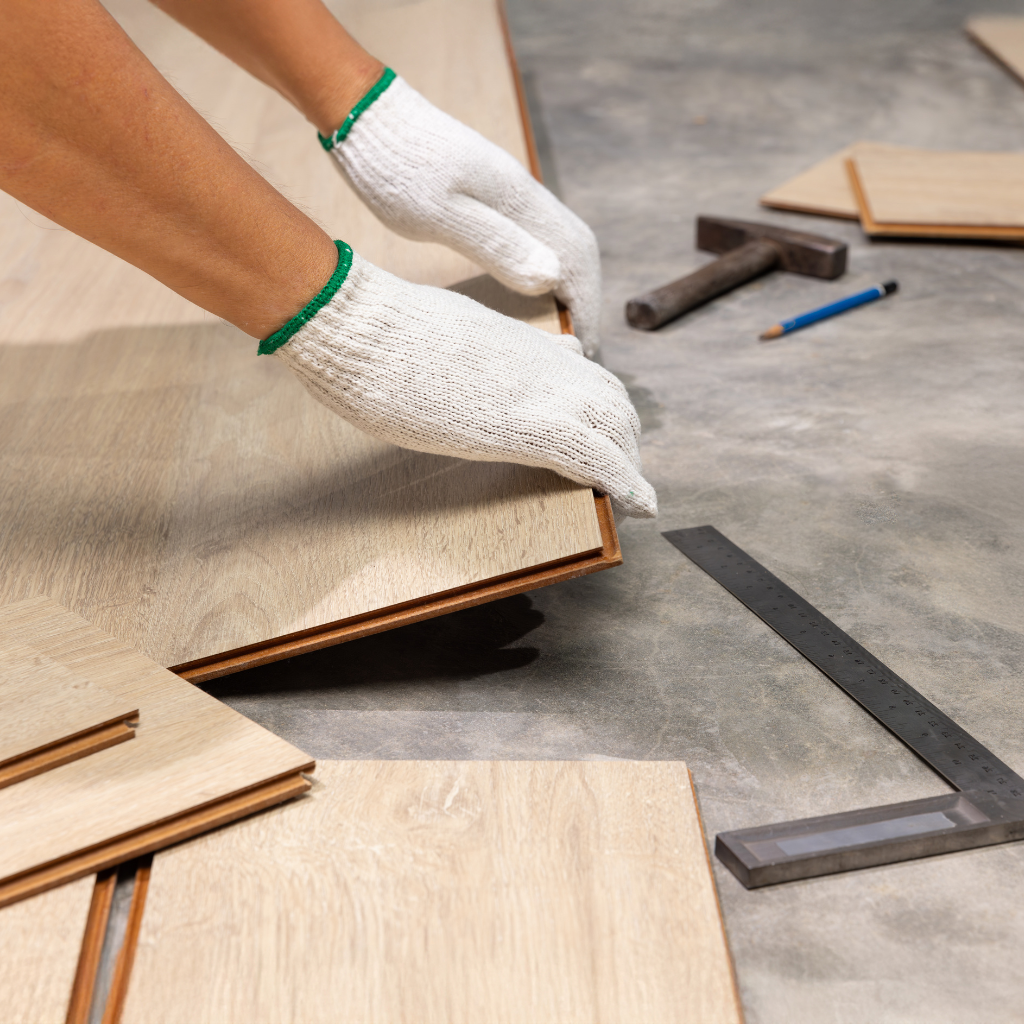
No matter which flooring you choose, proper installation plays a key role in performance and longevity.
Why Professional Installation Matters
- Ensures precise alignment and clean finishing
- Helps prevent long-term issues like gaps or lifting
Improves the durability and lifespan of the flooring - Saves time and reduces costly mistakes
Working with experienced local professionals can make a noticeable difference in both appearance and performance. Homeowners in Pasadena and nearby cities often value working with established providers like Pasadena Hardwoods for their attention to detail and commitment to quality craftsmanship.
Why WPC Flooring Is Popular in South Pasadena?
WPC flooring continues to grow in popularity among homeowners in South Pasadena, Altadena, Arcadia, and nearby communities due to its balance of comfort and practicality.
Top Reasons Homeowners Choose WPC Flooring
- Wide range of modern styles and finishes
- Easy maintenance for everyday living
- Comfortable surface for families
- Long-term value for residential spaces
As more homeowners explore durable waterproof flooring options, WPC stands out as a practical choice for enhancing both comfort and aesthetics.
Final Thoughts
Both WPC and SPC vinyl flooring offer unique advantages, and the best choice ultimately depends on your home’s needs. If comfort and quiet living are your priorities, WPC flooring is a strong option. If durability and resistance are more important, SPC may be the better fit.
Taking time to understand these differences ensures you choose a flooring solution that supports your lifestyle while enhancing your home for years to come.
FAQs
1. What is the main difference between WPC and SPC vinyl flooring?
The main difference between WPC and SPC vinyl flooring is their core construction. WPC flooring has a softer, wood-plastic composite core that offers more comfort underfoot, while SPC flooring has a rigid stone-plastic core designed for higher durability and impact resistance.
2. Which is better for homes in South Pasadena: WPC or SPC flooring?
Both options work well, but the best choice depends on your needs. WPC flooring is ideal for comfortable living spaces like bedrooms and family areas, while SPC flooring is better suited for kitchens, bathrooms, and high-traffic areas due to its durability and water resistance.
3. Is WPC vinyl flooring waterproof and suitable for kitchens?
WPC vinyl flooring is water-resistant and can handle occasional moisture, making it suitable for many areas of the home. However, for spaces with frequent water exposure like kitchens or bathrooms, SPC flooring may provide better long-term protection.
4. How long does WPC or SPC vinyl flooring last?
With proper installation and maintenance, both WPC and SPC vinyl flooring can last 10–20 years or more. Longevity depends on usage, foot traffic, and the quality of installation.
5. Do I need professional installation for WPC or SPC flooring?
While some vinyl flooring options are designed for DIY installation, professional installation helps ensure proper alignment, long-term durability, and a clean finish, especially for larger or more complex spaces.