
When it comes time to renovate your kitchen, most homeowners face a pretty straightforward choice. Do you go with ready-to-assemble cabinets, or do you invest in something custom-built? Both paths have real merit. Both come with tradeoffs.
The trick is understanding what actually matters for your space, your budget, and how you use your kitchen day-to-day.
What Sets Custom Cabinets Apart
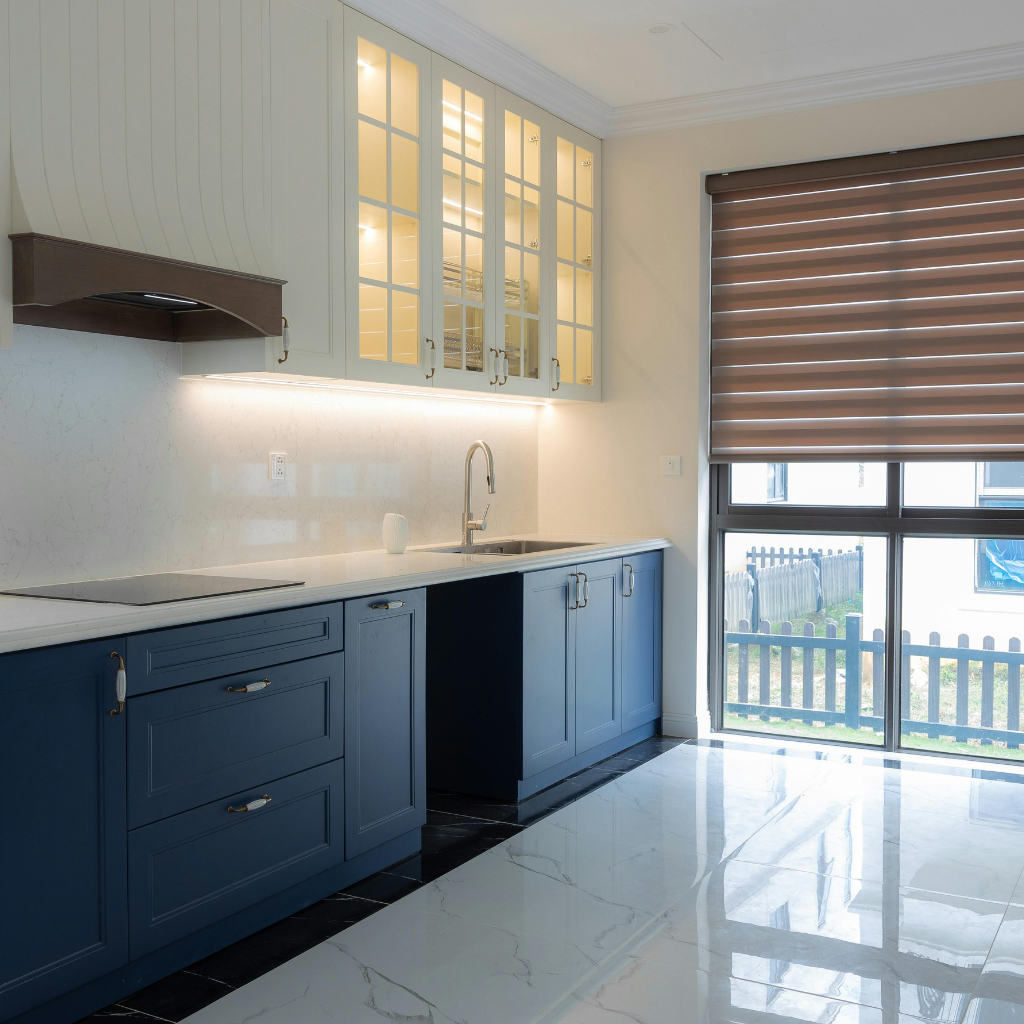
Custom cabinets get built specifically for your kitchen. A designer sits down, measures everything, and creates pieces that fit your exact space. No gaps. No awkward corners that don’t work. The doors, drawers, and finishes all get tailored to match what you want.
This approach works best when your kitchen has unusual dimensions or angles, your custom cabinets need to accommodate specific storage needs, you want materials or finishes that aren’t standard, or long-term durability matters more than quick installation.
Custom work takes longer. You’re looking at weeks or months from design to installation. The cost runs higher too. But the payoff shows up in how perfectly everything fits and how long it lasts.
Understanding RTA Cabinet Options
RTA stands for ready-to-assemble. These cabinets arrive at your home mostly built. Assembly happens on-site, usually in a day or two. They’re manufactured in standard sizes, so they fit common kitchen layouts.
Ready-to-assemble kitchen cabinets make sense when budget constraints are real, your kitchen follows typical dimensions, you need cabinets installed quickly, or moving or renovating on a timeline matters. The assembly part isn’t complicated, though it does require attention to detail. Most people handle it fine, or hire someone local to put pieces together.
Cost Comparison That Actually Matters
Custom cabinets cost more upfront. Expect to spend significantly more per linear foot compared to RTA options. You pay for design consultation, solid materials, and skilled carpentry.
RTA cabinets save money at purchase. Tight budgets push people toward RTA for good reason. You sacrifice design flexibility and possibly longevity depending on what materials the manufacturer uses.
A custom cabinet lasting twenty years costs you less annually than an RTA cabinet you replace after ten years. When you’re thinking about kitchen cabinet costs, calculate lifespan against purchase price.
Timeline Differences You Should Know
Custom cabinets require patience. Design consultation takes time. Manufacturing happens in a workshop. Installation comes later. The total timeline typically runs two to four months.
RTA cabinets move fast. Order, receive, assemble, done. Most people have functional cabinets within weeks. If your kitchen renovation has a hard deadline, RTA might be the only realistic option. If you can wait and want something built to last, custom work pays off.
Material Quality and Durability
Custom cabinets use higher-grade materials. Solid wood construction, quality hardware, superior joinery. Hinges don’t sag. Drawers don’t stick. Finishes resist wear after years of daily use.
RTA cabinets range from decent to cheap. Some manufacturers use solid materials. Others rely on particleboard or thin veneer. Budget RTA shows wear after five or six years of regular use. Mid-range RTA performs better but still won’t match custom quality.
Think about your kitchen habits. Do you open and close cabinet doors dozens of times daily? Kids slam things? Heavy use demands custom cabinets.
Design Flexibility Matters More Than People Think
Custom cabinets let you choose everything. Wood type, stain color, hardware style, interior organization, door style. You’re not picking from a limited catalog. You’re creating what you actually want.
RTA cabinets offer choices, but within limits. Standard finishes, typical sizes, common configurations. If your vision fits standard options, that’s fine. If it doesn’t, you compromise. When you’re looking at kitchen cabinet styles, consider whether your space needs something specific to match existing elements. Custom work handles that better.
Installation and Assembly Considerations
Custom cabinets get installed by professionals. They arrive ready to hang. Installation takes a day or two. Professionals handle any adjustments needed.
RTA cabinets need assembly. Instructions come with the boxes. Assembly isn’t difficult, but it’s time-consuming. Mistakes happen if steps get skipped. Hiring someone to assemble adds cost but saves frustration. Cabinet installation in Pasadena can be handled by local professionals if you’d rather skip the DIY route.
Warranty and Support Differences
Custom cabinets usually come with solid warranties. Manufacturers stand behind their work. If something fails, they fix it.
RTA cabinets have warranties too, though they vary. Some are comprehensive. Others cover specific defects only. Read the fine print before ordering.
Making Your Decision
Start by answering basic questions. What’s your budget? How much time do you have? Does your kitchen layout fit standard sizes? How long do you plan to stay in this home?
When you’re comparing custom versus RTA cabinets, these practical questions matter more than anything else.
Custom work makes sense for people staying put, with flexible timelines and budgets that allow for quality. RTA works for quick renovations, tight budgets, or standard kitchen layouts.
Both options work. Neither is wrong. The best choice aligns with what your kitchen actually needs and what your situation allows.
Homeowners in nearby areas can also explore custom cabinetry and flooring services in Altadena for professional guidance and installation support.
Final Words
Picking cabinets comes down to priorities. Custom cabinets offer precision, durability, and design freedom. RTA cabinets offer speed and affordability. Evaluate your kitchen’s specific needs, your timeline, and your budget.
Talk to professionals who can assess your space and explain what makes sense for your situation. Pick what works for how you live, not what sounds fancier on paper.