
Choosing new flooring is rarely just a style decision. It depends on a home’s age, the amount of daily traffic a room sees, and how well a material handles Southern California’s dry, sunny climate.
In short: solid or engineered hardwood tends to be the best long-term investment for most living spaces in Pasadena, while waterproof vinyl options like SPC or WPC are the more practical choice for kitchens, bathrooms, and busy households with kids or pets. Laminate and luxury vinyl tile sit between the two, offering a similar look at a lower price. This guide walks through when each option makes sense.
Why Local Conditions Matter When Choosing a Floor
Pasadena’s homes range from century-old Craftsman bungalows to newer construction in Altadena, South Pasadena, Arcadia, and San Marino. Older properties often have original subfloors, uneven joists, and seasonal humidity swings between wetter winters and dry summers. All of this affects how wood expands and contracts, how planks lock together, and how flat a floor stays over time. A material that performs well in a humid coastal city or a cold basement climate won’t necessarily behave the same way here, which is why the right choice depends as much on the home as it does on the product itself.
The Main Categories Worth Considering
Homeowners in this area typically choose from six categories:
Homeowners in this area typically choose from six categories:
- Hardwood — Solid and engineered planks valued for long-term durability and natural grain character.
- Unfinished Hardwood — Raw lumber installed on-site, then stained and sealed to a specific finish.
- Laminate — A dense fiberboard core with a wood-look surface layer and strong scratch resistance.
- WPC Vinyl — A wood-plastic composite plank that’s fully waterproof and comfortable underfoot.
- SPC — A stone-plastic composite plank with a rigid core built for dent resistance and temperature stability.
- LVT (Luxury Vinyl Tile) — Tile-format vinyl that replicates stone or marble without the upkeep of the real thing.
How These Materials Compare
Product | Water Resistance | Durability | Best For | Refinishable? |
Hardwood | Low–Moderate | High (decades) | Living rooms, bedrooms, dining rooms | Yes, multiple times |
Unfinished Hardwood | Low–Moderate | High, custom-finished | Custom stain matching, historic homes | Yes |
Laminate | Moderate | High scratch resistance | Family rooms, rentals, budget upgrades | No |
WPC Vinyl | 100% waterproof | High, cushioned | Kitchens, bathrooms, laundry rooms | No |
SPC | 100% waterproof | Very high, rigid | High-traffic zones, homes with pets | No |
LVT | High | High | Stone/marble look-alike areas | No |
Most comparisons stop at surface-level claims vinyl is “waterproof,” hardwood is “classic” without connecting those traits to actual rooms. Kitchens and bathrooms generally call for SPC or WPC. Bedrooms, hallways, and living rooms are where hardwood tends to pay for itself through resale value.
Is Hardwood Worth the Investment?
For most homes, yes. Genuine wood increases resale value and holds up for decades, and because solid and engineered planks can be sanded and refinished, one installation can outlast several rounds of vinyl or laminate replacement. It’s also worth looking for low-VOC and sustainably harvested options, which support better indoor air quality, a meaningful consideration for households with allergies or asthma.
What Works Best in Kitchens and Bathrooms?
This is where vinyl outperforms wood and laminate. Both SPC and WPC are engineered to be fully waterproof, protecting against warping, swelling, and mold in areas exposed to spills, steam, or plumbing leaks. SPC’s rigid core handles heavier furniture and appliance loads well, while WPC’s softer, insulated core is more comfortable to stand on for long stretches worth factoring in for a kitchen where you spend a lot of time on your feet.
Can New Flooring Go Over an Existing Subfloor?
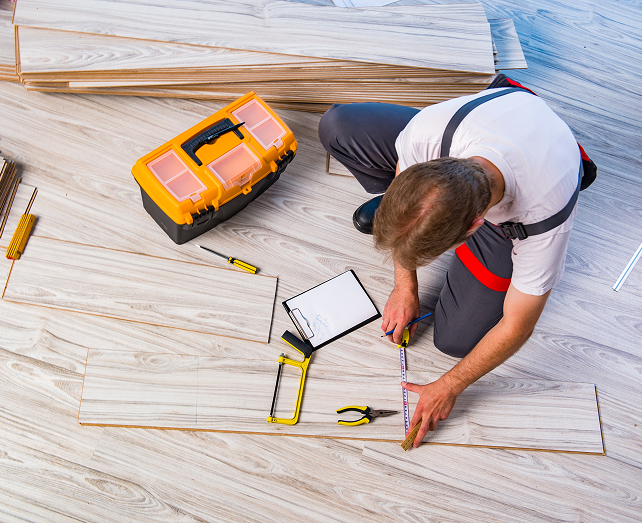
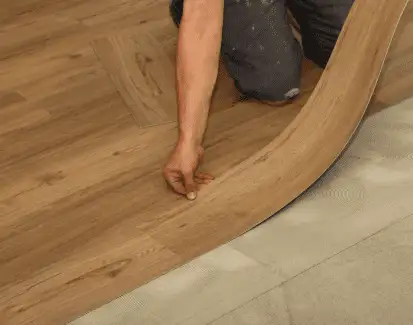
Often, yes. Floating systems SPC, WPC, and tongue-and-groove laminate can typically be installed over an existing hard surface without full demolition. That said, the subfloor still needs to be structurally sound, dry, flat, and free of deflection. Skipping that evaluation is one of the more common reasons floating floors fail prematurely, so it isn’t a step worth cutting.
Final Thoughts
There isn’t one “best” floor for a whole house; there’s a best fit for each room. Wood remains the strongest choice for value and longevity in living spaces, SPC and WPC solve the moisture problem in kitchens and bathrooms, and laminate or LVT bridge the gap when budget is the deciding factor. If you’re weighing options for a specific room, browse the full hardwood floor products range to see how each material fits your space.
Frequently Asked Questions
Q1: What's the best option for a home in this area?
It depends on a room’s moisture exposure, foot traffic, and budget. Hardwood tends to offer the strongest long-term value in living spaces, while SPC or WPC performs better in kitchens and bathrooms.
Q2: What's the real difference between SPC, WPC, and laminate?
SPC has a dense, rigid core built for impact and dent resistance. WPC uses a softer, wood-plastic base with more cushion underfoot. Laminate mimics real wood grain and resists scratches well, but doesn’t offer the same waterproof performance as the other two.
Q3: Which option holds up best with kids and pets?
Rigid-core SPC handles scratches and impacts well in high-traffic homes. Hardwood is also a solid long-term choice, since it can be professionally sanded and refinished as it ages.
Q4: Can I install new planks directly over my current subfloor?
Often, yes particularly with floating systems like SPC, WPC, and laminate. The existing subfloor needs to be structurally sound, dry, and flat first, so an evaluation should happen before installation begins.
Q5: How do I balance style with budget?
Start by considering each room’s moisture exposure and how much upkeep you’re comfortable with. Wood tends to deliver the strongest return over time, while vinyl and laminate offer reliable, waterproof performance at a lower upfront cost.